

How to Sell Your San Gabriel Valley Home Remotely with Confidence

For home sellers in the San Gabriel Valley who have already relocated for work, family, or a new purchase, selling a home remotely can feel like managing two lives at once. The core challenge is simple: distance makes every decision heavier, especially when a property sits empty and the vacant home sale challenges start stacking up, from upkeep and security worries to delayed responses and missed timing. Add real estate market trends in San Gabriel Valley that can shift between neighborhoods and seasons, and pricing or next steps can quickly feel uncertain. With the right structure, managing a home sale from a distance becomes a controlled process instead of an ongoing source of stress.
A Remote Selling Workflow You Can Follow
Here’s how to move from worry to a workable plan. This process helps you sell from a distance without losing control of pricing, showings, or deadlines. It is designed for San Gabriel Valley home buyers and sellers who want clear, accessible guidance and fewer surprise decisions while the home sits vacant.
- Choose a local point person and set rules of communication
Start by hiring an agent who can physically handle tasks you cannot, like access coordination, vendor meetups, and buyer walk-through logistics. Working with a capable local real estate agent like Kathy Gibson reduces the number of “urgent” messages because they can solve small issues on-site. Agree on a simple cadence such as a daily text summary plus a scheduled call twice a week. - Price the vacant home with a clear decision trigger
Ask for a pricing range based on comparable sales, current active listings, and the home’s condition as it sits today. Then set a trigger in advance, such as “if we get no strong interest in 10 days, we adjust by X,” so you are not re-litigating the plan every week. This prevents distance delays and keeps your strategy consistent. - Prepare for virtual showings with a tight checklist
Confirm professional photos, a video walkthrough, and clear written highlights so buyers can understand the layout remotely. Since many buyers begin digitally, homebuyers starting their search online makes strong online presentation a must-have, not a nice-to-have. Ask your agent to test the virtual showing flow end-to-end before the listing goes live. - Market broadly, then review activity like a dashboard
Have your agent launch the listing across major portals, email lists, and social channels, then send you a weekly snapshot of showings, questions, saves, and offer feedback. Use the same few metrics every week so trends are obvious and decisions feel easier. If activity is high but offers are weak, adjust terms or presentation before you cut price. - Negotiate remotely with pre-set guardrails and fast approvals
Decide ahead of time what you will and will not concede on price, credits, timelines, and repair requests. Use e-signatures and require your agent to summarize each counteroffer in plain language so you can approve quickly without confusion. Speed plus clarity helps you avoid losing momentum when you are not nearby.
Reduce Buyer Worries: Preempt System and Appliance Surprises
Once your remote-selling workflow is in motion, the next win is making the home feel “safe” to buy, even when you can’t be there to troubleshoot. Ask your real estate agent about adding a listing-period protection plan or warranty-style coverage that speaks directly to common buyer worries about major systems and appliances. When buyers know there’s a backstop if something breaks soon after closing, they tend to feel more comfortable moving forward, and inspection findings can feel less like deal-breakers. Your agent can explain what’s typically covered, how it’s presented in the listing, and where it can reduce last-minute renegotiations; for a starting point you can check this out.
Choose a Savvy Agent
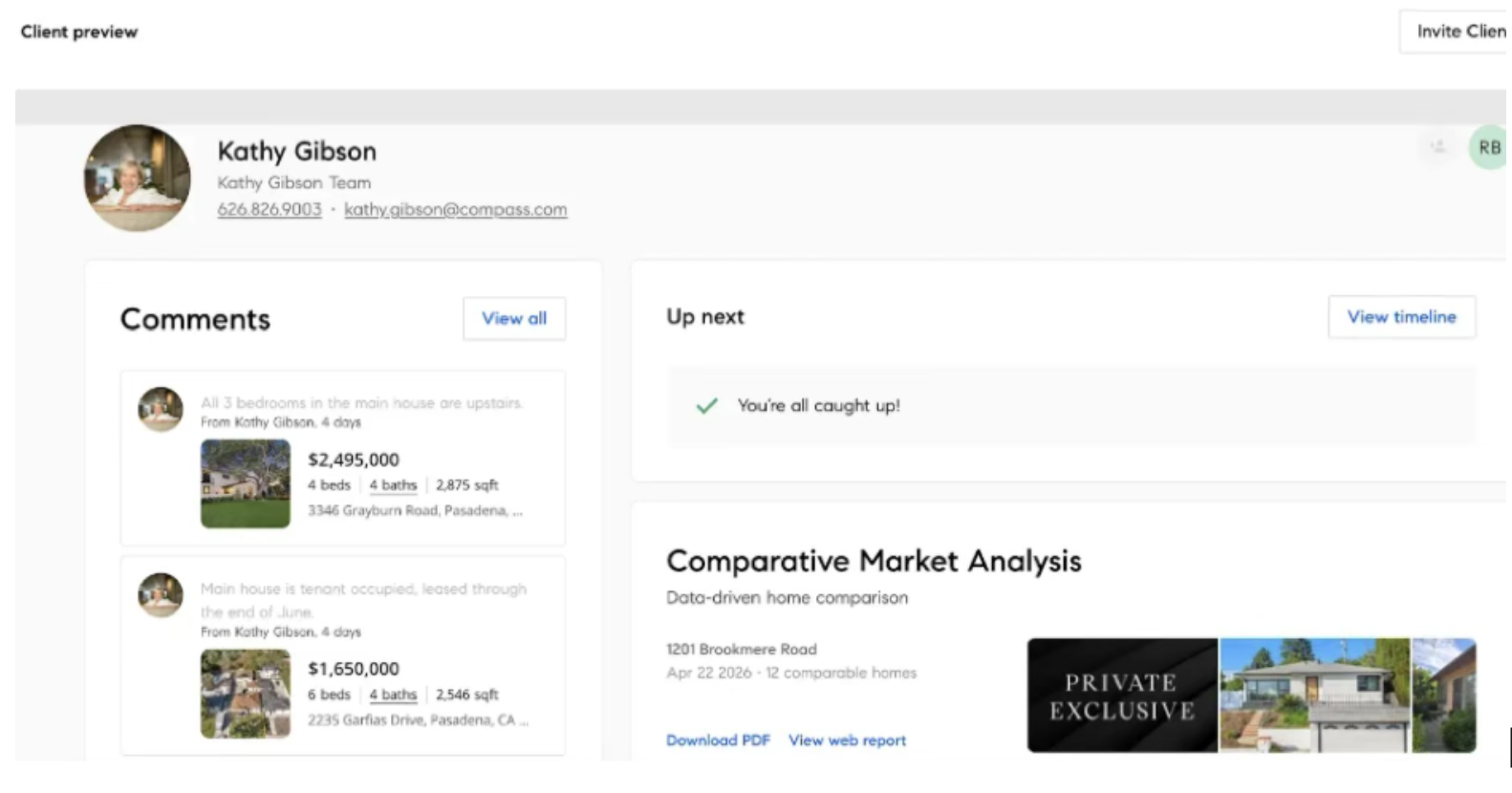
If you work with Pasadena-based Compass agent Kathy Gibson, you’ll have full access to Compass One, a centralized client platform that keeps everything organized in one place.
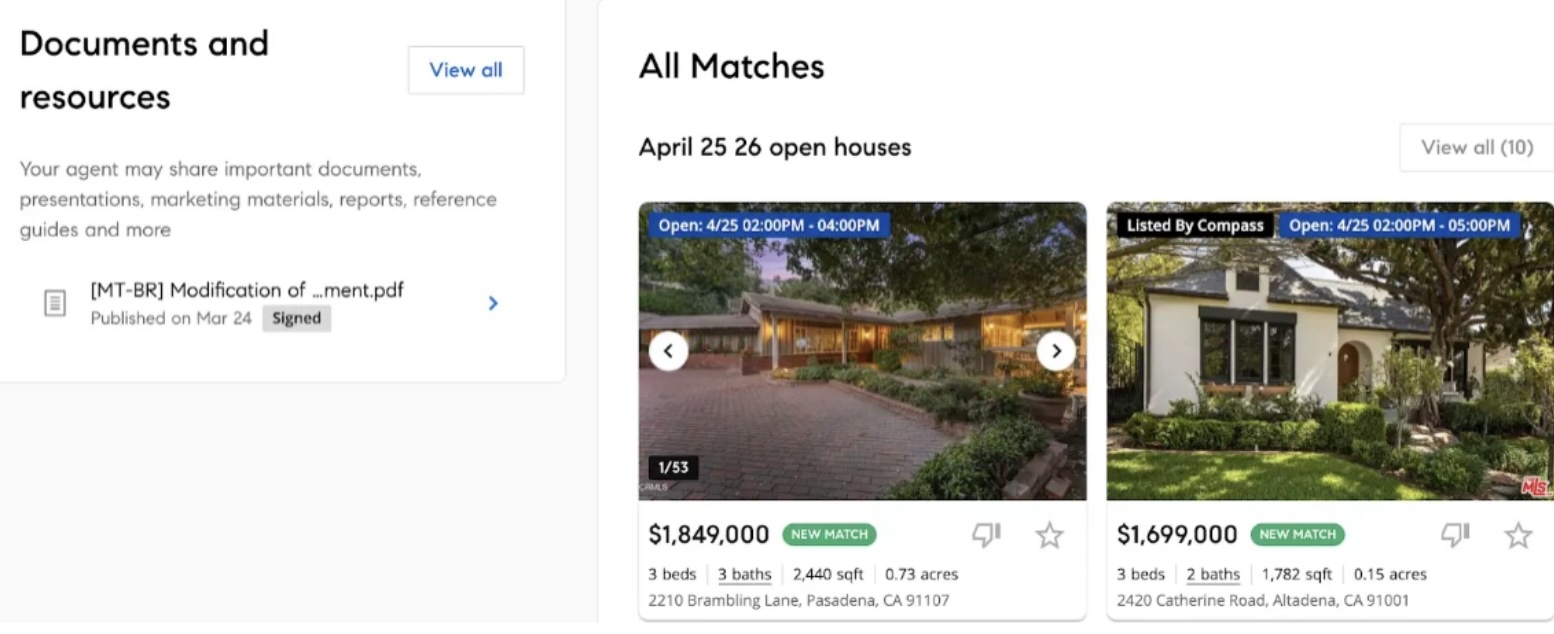 Through Compass One, clients can access timelines, review and sign documents, track key milestones, and view curated collections of homes and comparable market analysis reports in real time. It creates a shared workspace where communication, data, and decisions all live together, which is especially valuable when clients are out of town or managing the sale from a distance.
 Remote Home-Selling Questions, Answered
Q: What if I’m not sure how to price the home from afar?
A: Ask your agent for a pricing range with a “plan A/plan B” timeline: list at market value, then adjust after a set number of showings or days. Request a short weekly update on online views, showing feedback, and competing listings. This keeps decisions tied to real buyer behavior, not guesswork.
Q: How do inspections work when I can’t attend in person?
A: You can authorize access through your agent and have the inspector call you for a live summary. Ask for a photo-heavy report and a prioritized repair list so you can approve the most important items first. If needed, your agent can coordinate licensed vendors for quotes.
Q: Can a vacant home look uninviting, and does staging really matter?
A: Yes, empty rooms can feel smaller and buyers may assume the home was neglected. The claim that homes staged sell 25% faster can be a helpful nudge if you’re deciding between minimal touch-ups and fuller presentation.
Q: What should I do if the market shifts while my home is listed?
A: Set decision triggers in advance, like a price review after a certain number of weeks or after a notable rate change. Keep flexibility by focusing on net proceeds, not just list price, and consider offering a credit instead of completing every repair.
Q: How do I avoid costly oversights when I’m managing everything remotely?
A: Use a single shared task list for utilities, yard care, lockbox access, and showing readiness, and assign an owner for each item. Paying attention to avoiding common pitfalls can reduce last-minute surprises and rushed decisions.
Remote-Sale Readiness Checklist
This checklist turns remote selling into a simple set of trackable moves so San Gabriel Valley sellers can feel confident, not reactive. Use it to spot gaps early, delegate clearly, and keep your vacant home showing ready without constant back-and-forth.
✔ Confirm plan A/plan B pricing triggers with your agent
✔ Schedule inspection access and request a photo-heavy summary call
✔ Gather paperwork like gather recent utility bills and warranty records
✔ Set weekly utility, yard, and security check-ins with named helpers
✔ Approve staging or styling budget, starting with a home staging consultation
✔ Track online views, showing feedback, and offer terms in one shared log
✔ Review repair quotes and authorize only high-impact fixes
Check these off, and your sale stays steady even when you are miles away.
Close Your San Gabriel Valley Sale Remotely, Step by Step
Selling from another city can feel risky because decisions keep moving while the home sits unattended. The remote-sale approach here is simple: use successful remote home sale tips to stay organized, delegate local support for managing vacant home sales, and lean on San Gabriel Valley real estate guidance so each deadline is confirmed and each handoff is clear. When that mindset drives the process, closing a home sale remotely becomes predictable, boosting seller confidence and reducing last-minute surprises. Remote selling works when the timeline, local help, and local expertise stay aligned. Confirm the closing timeline, assign a trusted on-the-ground point person, and coordinate with a San Gabriel Valley expert for practical advice for sellers. That structure protects time, money, and peace of mind as the next chapter begins.
Article courtesy of Emily Graham
Leave a Reply